
How to Create and Sell AI Courses Online
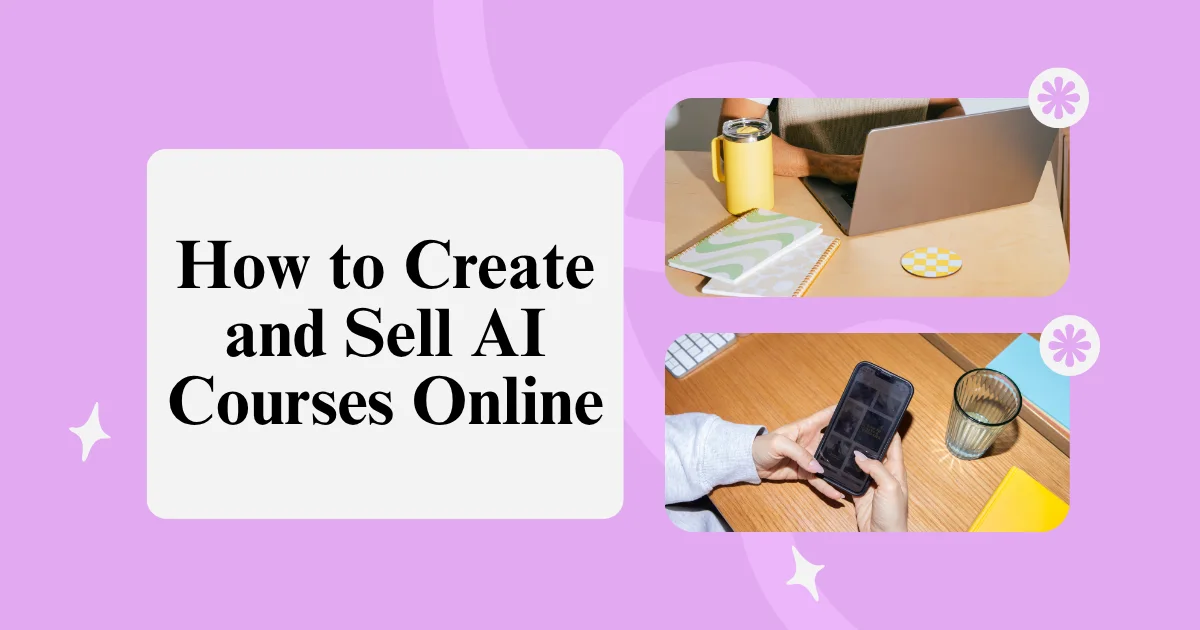
Artificial Intelligence has become one of the most profitable skills to teach online. Whether it is ChatGPT, automation tools, AI design, or video creation, people everywhere want to learn how to use AI to save time and increase productivity. Because of this rising demand, creating and selling AI courses online has become an excellent opportunity for earning consistent income. Anyone with basic knowledge of AI tools can build a profitable online course business. This guide explains exactly how to create, package, and sell AI courses step by step.
1. Choose Your AI Course Topic
The first step is selecting the right topic. Choose something you understand well and something people are willing to pay for. Here are some high-demand AI course ideas:
-
ChatGPT for beginners
-
Prompt engineering
-
AI for content creation
-
AI for small business marketing
-
AI automation using Zapier or Make
-
AI for YouTube creators
-
Midjourney and AI design
-
AI video editing using Pictory or Runway
-
AI tools for freelancers
-
AI for students and productivity
Pick a topic that is simple to teach and has a clear practical use.
2. Research Market Demand
Before creating the course, check if people are actually searching for the topic. You can do this by using:
-
YouTube search
-
Google Trends
-
Instagram reels
-
Facebook groups
-
Reddit communities
Look for questions people often ask. The more questions you find, the more valuable your course can be. Also check existing courses to understand gaps you can fill.
3. Outline Your Course Structure
A good course has a clear structure. Break your topic into modules and lessons. A simple format looks like this:
Module 1: Introduction
What the tool is, why it is useful, and what students will learn.
Module 2: Basics
Simple tutorials that explain how to use the tool.
Module 3: Advanced Strategies
Real workflows, examples, and use cases.
Module 4: Practical Projects
Show real demonstrations so students can apply what they learn.
Module 5: Money-Making Methods
Teach how to earn using the AI tool.
Module 6: Templates and Bonuses
Offer downloadable materials to make the course more valuable.
A clear structure improves student satisfaction and reduces refunds.
4. Create the Course Content
You can deliver your AI course in multiple formats. Choose whichever feels comfortable.
Option A: Video Lessons
Record your screen while teaching. Tools for recording include:
-
OBS Studio
-
Loom
-
Camtasia
Video courses have the highest value in the market.
Option B: PDF Guides
You can create lessons in document format. Tools like Google Docs or Notion work well.
Option C: Mixed Format
Combine videos with templates, worksheets, and guides. This gives a more complete learning experience.
Keep your lessons short, clear, and beginner-friendly. Most buyers prefer lessons between 5 to 12 minutes each.
5. Choose a Platform to Sell Your Course
There are many places where you can host your AI course.
Course platforms
-
Teachable
-
Thinkific
-
Kajabi
-
Udemy
-
Skillshare
Low-cost platforms
-
Gumroad
-
Payhip
-
Graphy
-
Shopify digital downloads
If you want complete control and higher profit margins, Gumroad or Payhip are ideal for beginners. They also allow you to sell without creating a full website.
6. Set the Pricing
AI courses usually sell at a higher price because the skills are practical and in demand. Here are common price ranges:
-
Mini course: ₹299 – ₹999
-
Beginner course: ₹999 – ₹2,999
-
Full masterclass: ₹2,999 – ₹7,999
-
Advanced automation course: ₹7,999 – ₹25,000
If the course includes templates, real case studies, or automation training, you can charge more.
7. Create Bonuses to Increase Sales
Bonuses help you stand out from competitors. You can add:
-
Prompt packs
-
Templates
-
Cheat sheets
-
Script files
-
Automation workflows
-
Case studies
-
Private community access
Buyers love resources they can use instantly. Bonuses also improve your conversion rates.
8. Promote Your Course Online
Marketing is more important than the course itself. Use these strategies:
Social Media Content
Post reels, tips, before-and-after results, and tutorials.
YouTube Tutorials
Teach one small thing for free and link your course below.
Email Marketing
Offer a free prompt pack or mini guide to build an audience.
Blogging
Write SEO-friendly articles related to your topic.
Paid Ads
Use Meta or Google ads once you have profitable content.
Collaborations
Work with creators in similar niches.
Marketing consistently will build your brand and help your course reach more people.
9. Use AI to Create the Course Faster
AI itself can help you build the course. You can use:
-
ChatGPT for scripts and outlines
-
Canva for slides
-
Pictory or InVideo for video creation
-
Grammarly for editing
-
Notion for worksheets
AI reduces your course creation time by 70 to 80 percent.
10. Provide Support and Collect Feedback
After students join your course, offer them:
-
Email support
-
Q&A sessions
-
Extra tutorial videos
-
Access to updates
Good support increases positive reviews and repeat buyers.
More from our blog
See all posts




Recent Posts
- AI Consulting Services for Generative AI December 12, 2025
- How to Build an AI Consulting Business in 2025 November 19, 2025
- How to Use AI to Start a One-Person Online Business November 19, 2025